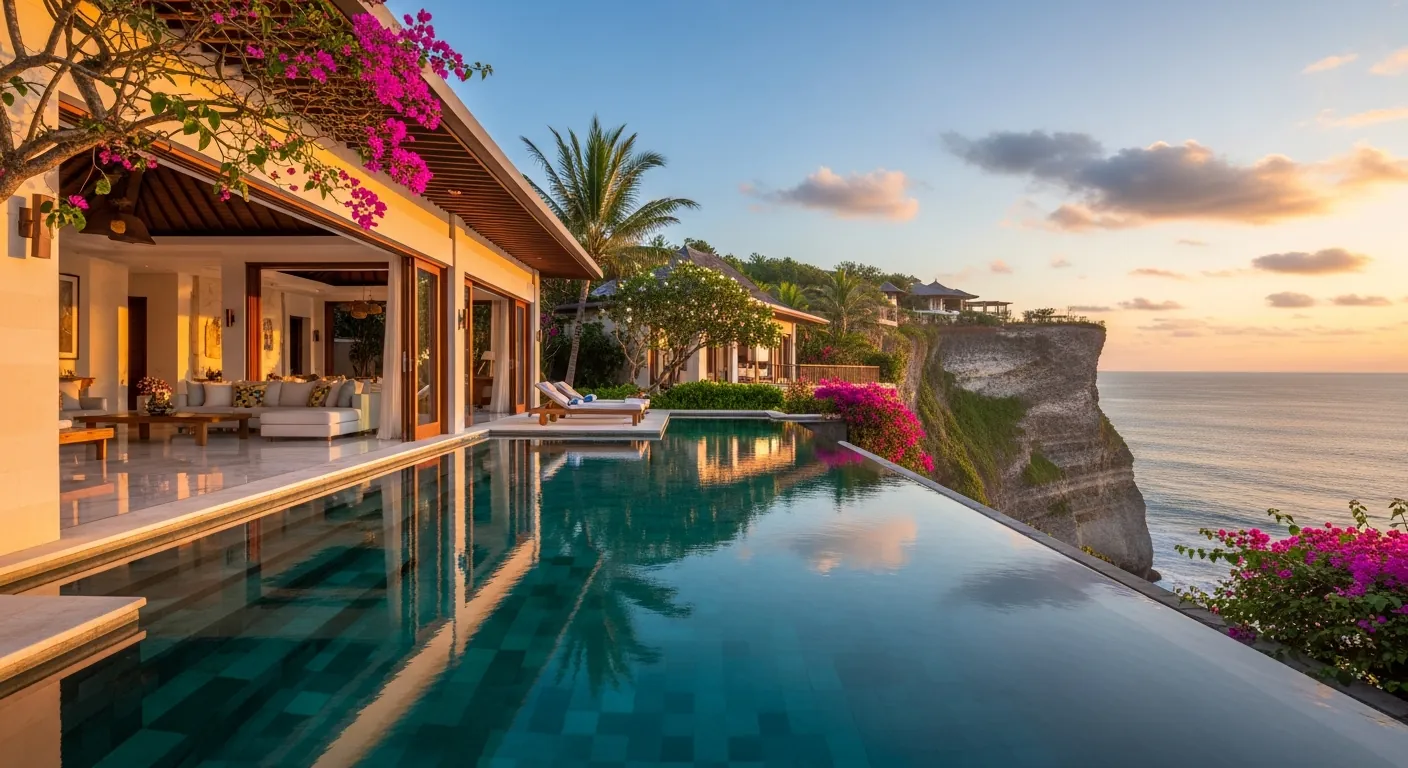
The scent of frangipani drifts on the tropical breeze, mingling with the distant sound of gamelan music, a constant, subtle reminder of the island’s enduring pulse. Here, the equatorial sun warms ancient stone temples and modern villas alike, setting a rhythm of life that draws individuals seeking a measured pace.
Understanding the Second Home Visa Bali Landscape
The Second Home Visa Bali offers a direct pathway to extended Indonesian residency, specifically designed for those evaluating Bali as a long-term base. This program, officially known as KITAS Rumah Kedua, allows qualified foreign nationals to reside in Indonesia for 5 or 10 years without requiring local employment rights. The Indonesian government introduced the Second Home Visa program in 2022, creating a dedicated long-term stay option for wealthy foreigners, investors, and retirees. Its implementation marked a strategic shift to attract high-net-worth individuals, providing a structured legal framework for their extended stay. The visa’s primary purpose is to facilitate a comfortable, long-term presence on the island for those who contribute to the local economy through investment and expenditure, rather than through direct employment in the Indonesian workforce. This distinction is crucial for applicants planning their lifestyle in Bali. The program recognizes the unique appeal of Bali as a destination for global citizens, offering a clear, government-sanctioned route for establishing prolonged residency. Applicants must be prepared to meet specific financial thresholds and administrative requirements, which underpin the visa’s integrity and purpose. The process involves demonstrating substantial financial capacity, ensuring that visa holders are self-sufficient during their stay. This approach aligns with Indonesia’s broader immigration policy goals, which aim to attract quality investment and enhance the nation’s appeal as a destination for international talent and capital. The visa provides a secure legal status, removing the complexities often associated with shorter-term visitor visas or business permits for those intending a multi-year stay.
Eligibility and Financial Mandates
Eligibility for the Second Home Visa is precisely defined, primarily revolving around significant financial proof. Applicants for the Second Home Visa must show proof of funds of at least IDR 2,000,000,000 in an Indonesian bank account. This substantial deposit, approximately USD 130,000 at current exchange rates, serves as a core requirement, demonstrating the applicant’s financial independence and capacity to support themselves during their extended stay. Alternatively, applicants can provide equivalent proof of luxury real estate ownership within Indonesia, valued at the same threshold. This flexibility caters to individuals who have already invested in Indonesian property, integrating their existing assets into the visa application process. The IDR 2 billion figure is non-negotiable and represents the government’s commitment to attracting economically robust individuals. The funds must typically be held in a bank account in the applicant’s name, often requiring a local bank account to be established prior to or during the application process. This ensures that the funds are genuinely accessible and verifiable within the Indonesian financial system. The visa’s terms are clear: the proof of funds is a prerequisite, not merely a suggestion. This stringent financial requirement differentiates the Second Home Visa from other long-term stay options, positioning it specifically for high-net-worth individuals. The requirement ensures that visa holders are not a burden on the state and possess the means to maintain a high quality of life throughout their 5 or 10-year residency period.
Application Process and Key Requirements
The application process for the Second Home Visa requires meticulous attention to detail and adherence to specific governmental stipulations. A fundamental requirement is a passport with at least 36 months of remaining validity at the time of application. This ensures that the passport remains valid for a substantial portion of the 5-year visa period, minimizing complications related to passport renewal during the residency. The application typically commences through the official Indonesian eVisa portal, where applicants submit necessary documentation digitally. The official Indonesian eVisa information states a Second Home related long-stay visa product with a government fee of IDR 7,000,000, which includes both the stay and entry permit components. This fee covers the official government processing and issuance of the visa. Beyond the core government fee, applicants often engage visa agents to navigate the complexities of the Indonesian immigration system. Some Indonesian visa agents charge around IDR 21,000,000 in total for a 5-year Second Home Visa package, which typically includes the ITAS (Temporary Stay Permit) and re-entry permit fees. These agent fees cover assistance with document preparation, submission, follow-up, and coordination with immigration authorities, streamlining a potentially complex process for international applicants. The process may also involve an interview or additional verification steps, depending on individual circumstances. Thorough preparation of all required documents, including financial statements, passport copies, and other personal identification, is paramount for a smooth application. The system is designed to be comprehensive, ensuring that only genuinely qualified individuals are granted the visa.
Navigating Bali Property Ownership with a Second Home Visa
The Second Home Visa, while granting long-term residency, interacts with Bali property ownership rules in specific ways that applicants must understand. Indonesia’s land law framework distinguishes between various forms of property rights, with outright freehold ownership (Hak Milik) generally reserved for Indonesian citizens. Foreigners can, however, acquire property through other mechanisms, such as Hak Pakai (Right to Use) or Hak Guna Bangunan (Right to Build), often with leasehold structures that can extend for decades. The Second Home Visa itself does not automatically confer new property ownership rights beyond what existing Indonesian law allows for foreigners. Instead, it provides the stable residency status necessary for individuals to comfortably engage in long-term lease agreements or other foreign-eligible property arrangements. For those who meet the IDR 2,000,000,000 equivalent proof of luxury real estate ownership as an alternative to the bank deposit, this property must already be legally held under a foreign-eligible title, such as Hak Pakai, or be in the process of being acquired through such a title. The visa facilitates living in Bali with a long-term perspective, making property acquisition through legal foreign channels a more viable and practical option. It is crucial to consult with Indonesian property lawyers to navigate the intricacies of land titles, leasehold agreements, and the legal frameworks surrounding foreign property acquisition in Bali. Understanding the nuances of Hak Pakai, for instance, which grants the right to use and occupy land for a specified period, typically 25-30 years with extensions, is vital for visa holders planning to invest in real estate. The visa enables a long-term presence that supports such property investments, rather than directly altering property laws.
Benefits and Limitations for High-Net-Worth Individuals
The Second Home Visa offers distinct advantages for high-net-worth individuals seeking a long-term presence in Bali, but it also carries specific limitations. A primary benefit is the extended validity period of 5 or 10 years, providing unparalleled stability and reducing the need for frequent visa renewals. This long-term certainty allows for comprehensive planning of lifestyle, investments, and personal affairs in Indonesia. The visa’s explicit allowance for stay without local employment rights is a significant draw for retirees, semi-retired entrepreneurs, and family offices structuring lifestyle relocation, as it removes the complexities of work permits. It enables a focus on leisure, personal projects, or managing international assets from a Bali base. The program’s design targets individuals who bring capital into Indonesia, fostering economic activity through their spending and potential investments. However, a key limitation is the absence of local employment rights. Visa holders cannot legally work for an Indonesian company or hold a local job. This means income must be derived from foreign sources or existing investments. Furthermore, while the visa facilitates a long-term stay, it does not automatically lead to citizenship or permanent residency (KITAP); it is a temporary stay permit (KITAS). The IDR 2 billion financial requirement, while a barrier for some, ensures the program attracts individuals with substantial financial backing, aligning with its objective to draw affluent residents. The visa simplifies long-term living in Bali, offering a structured and legitimate pathway for those who wish to make the island their home base for an extended period.
The Context of Indonesia’s Immigration Policies
The Second Home Visa operates within the broader framework of Indonesia’s evolving immigration policies, which are designed to balance national interests with attracting foreign investment and talent. Indonesia, an archipelago nation comprising over seventeen thousand islands, including Bali, has a dynamic approach to immigration, influenced by economic development goals and national security concerns. The introduction of the Second Home Visa in 2022 reflects a strategic effort by the Indonesian government to diversify its visa offerings beyond traditional tourist and business visas. This initiative aligns with global trends where nations compete to attract wealthy individuals and their capital. Prior to this, long-term stays often required more complex sponsorship arrangements or business visas. The Second Home Visa simplifies the process for its target demographic, providing a clear and direct route. Indonesia’s visa policy generally categorizes foreign visitors based on their purpose of visit and duration of stay, ranging from visa-free entry for short tourist visits to various KITAS categories for longer-term residents. The Second Home Visa distinguishes itself by its specific financial threshold and non-employment clause. The government’s proactive stance in creating such a visa underscores its recognition of Bali’s immense appeal as a global lifestyle destination and its desire to formalize and capitalize on this attraction. Understanding this policy context helps applicants appreciate the visa’s purpose and its place within Indonesia’s broader immigration strategy, which aims to foster sustainable economic growth and cultural exchange. Indonesia’s visa policies are continually refined, reflecting national priorities.
Please note: Immigration laws and financial figures are subject to change. Always confirm current details with a licensed Indonesian immigration professional or legal advisor before making any decisions.
To explore how the Second Home Visa can facilitate your long-term residency in Bali, revisit our comprehensive guide on secondhomevisabali.com.